

Inside style frequently prioritizes the visual elements of a space—illumination, furniture, and color palettes. Nevertheless, the atmosphere of a property is similarly defined by invisible factors. Aroma is arguably probably the most effective instrument for placing a mood, as the olfactory process is straight wired to the brain's limbic program, which functions sensation and memory. A pleasant environment is not only seen; it is inhaled.

Applying a Home Spray strategy is about more than just masking scents; it is all about curating an experience. Below, we handle the most common questions regarding home smell, examining the practical differences between diffusion strategies and the emotional affect of particular notes.
Why is aroma considered a critical element of inside style?
Study into physical perception shows that smell is the only feeling that bypasses the thalamus and goes right to the brain's emotional center. This implies a guest's emotional a reaction to a house is activated nearly straight away upon entering.
A pleasing, well-chosen scent signs cleanliness and care, reducing pressure levels for inhabitants and visitors alike. Alternatively, a stale or simple atmosphere can appear sterile. By intentionally adding scent, homeowners may manipulate the perception of place, creating little areas experience airier with new records or big areas sense cozier with warm, woody notes.
What are the most effective scents for specific areas?
Scent works as an operating divider in open-concept living. Applying various smell pages for various areas helps define the purpose of that area.
• The Entry: Here is the "handshake" of the home. Complicated, woody, or flowered scents work most useful here to make a statement. Records like sandalwood, forest, or jasmine build a sudden sense of birth and sophistication.
• The Kitchen: That room gift ideas an original challenge as a result of competing food aromas. Prevent special or floral scents that might conflict with cooking. As an alternative, go for "gourmand" or new acid notes. Orange, basil, thyme, and natural apple reduce through fat odors and smell clean without contradictory with a meal.
• The Living Room: This is a public space made for pleasure and conversation. Warm, reassuring records are statistically chosen here. Vanilla, emerald, and cashmere develop a backdrop that is appealing however, not distracting.
• The Bedroom: The primary purpose listed here is rest. Reports consistently point to rose, chamomile, and bergamot as good to sleep hygiene. These smells are found to lessen center rates and promote relaxation.
Which diffusion method offers the very best durability?
The market presents various supply methods, each with various efficacy prices regarding "throw" (how far the scent travels) and longevity.
• Reed Diffusers: These give a continuing, low-maintenance background scent. They are well suited for entryways or bathrooms where a regular, subtle fragrance is needed 24/7. They cannot need heat or energy, making them a safe, inactive option.
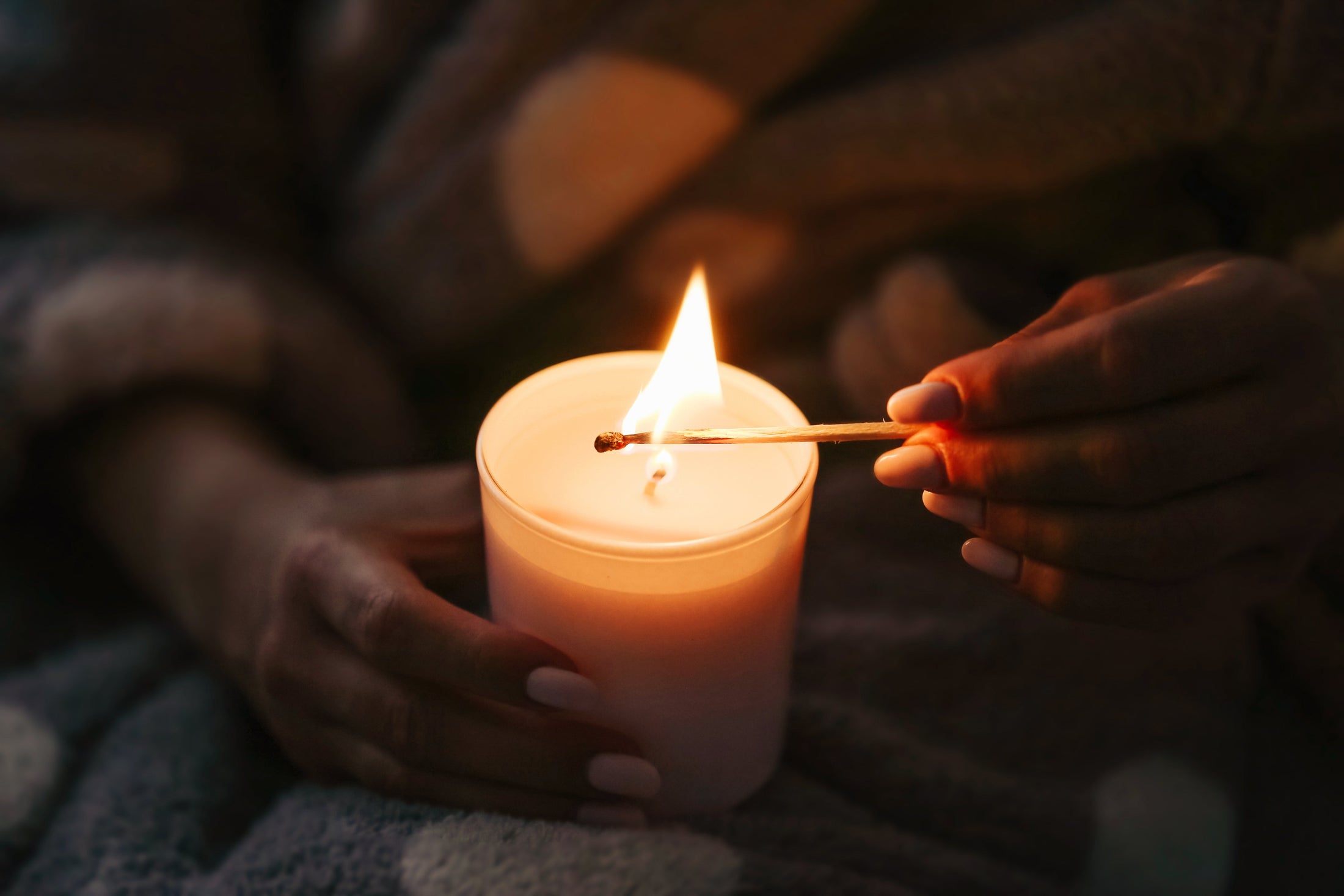
• Scented Candles: Candles provide high-intensity aroma launch but just while burning. They offer the included advantage of feeling through light. They're most readily useful applied for specific events or morning rest in which a powerful "hot throw" is desired for some hours.
• Ultrasonic Diffusers: These units use water and essential oils to make a great mist. They provide the absolute most modification, letting people to manage the depth and length of the scent. They're exceptional for changing the temper of an area quickly.
• Room Sprays: These provide quick pleasure but have the smallest lifespan. They are tactical instruments, most useful applied to clean up fabrics or rapidly neutralize a stench before guests arrive.
Just how can one prevent "nose blindness" or overriding visitors?
Olfactory fatigue, or "nose blindness," happens when a person becomes desensitized to a consistent smell. This leads homeowners to overuse perfume, which may be frustrating for guests.
To keep up a healthy environment, switch scents seasonally. Move from weightier herbs and woods in the winter to light florals and linens in the spring. Also, positioning is key. Position diffusers in areas with good airflow to move the aroma, but prevent putting them immediately next to sitting places or food tables, where powerful scents can become intrusive.
Curating your olfactory signature
Choosing a home scent is really a particular journey that includes the technology of evaporation with the artwork of mood-setting. By understanding the distinct jobs of different smell individuals and distribution systems, you are able to guarantee your house leaves a lasting, good effect on everyone who hikes through the door.